BEFORE YOU ARRANGE BUILDING WORK
Connect the repair to recorded findings
Ask which evidence supports the diagnosis, what needs further assessment and why the proposed work addresses it. Retaining sound fabric and compatible making good should be defined rather than replaced by an open-ended renovation label.
A dangerous structure needs the direct West Suffolk/emergency route where appropriate. Planned repairs still need actual authority, relevant consent, safe access and completion evidence; this enquiry cannot certify stability.
Scope a cause-led building repair
Use these points to compare the scope of proposals. Tick them here or print a copy; nothing you tick is sent with an enquiry.
Useful official checks: Bury Town Centre appraisal · Historic building repair principles · Listed buildings · Dangerous structures
Building repairs: diagnose the cause and retain sound fabric: what to establish first
Start with the property and the work
A Bury building-repair enquiry should distinguish a damaged finish, masonry defect, leak and suspected movement. The visible symptom does not establish either the cause or the appropriate scale of work.
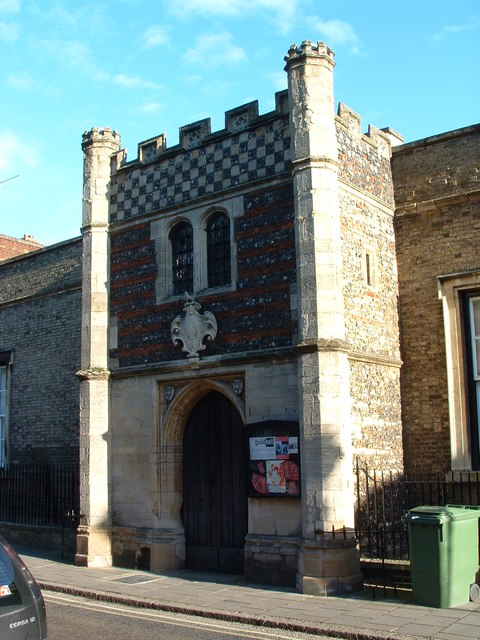
Historic appraisals describe varied timber, brick, plaster and flint fabric. Use those observations to ask what the actual building contains and can retain, not to prescribe one repair material for every property.
Sources: Bury Town Centre appraisal · Historic building repair principles · Listed buildings · Dangerous structures
When safety takes priority
Keep clear of unstable walls, falling material or an unsafe ceiling and obtain direct appropriate help. Do not climb, remove supports or disturb a damaged structure to investigate. Immediate danger needs the appropriate emergency route; this enquiry form is not monitored as dispatch. Once safe, qualified assessment should establish the next scope. A photograph cannot certify stability. Temporary protection and a permanent repair should be identified separately, with clear responsibility for later work.
Useful next steps
Water damage needs its source addressed
A leak, rainwater defect or other moisture problem can require work beyond the visible repair. Explain whether the source is still active and what has been done. Historic England’s wall guidance advises compatible repairs and attention to moisture causes in traditional buildings. New plaster or masonry work does not automatically resolve a concealed cause. Define who handles roofing, plumbing or drainage where involved, with timing and making good coordinated rather than left between separate quotations.
Sources: Historic England: wall repairs
Repair the cause and respect retained fabric
Ask what is failing, why and how the proposed repair addresses it. Surface reinstatement, water-source investigation and structural work can be different tasks. A photograph may help explain the enquiry but cannot certify safety or the extent of concealed damage.
For an older Bury building, the historical appraisal and Historic England repair guidance support checking the actual material and retaining useful fabric. Significant work may need West Suffolk conservation/building advice. Where a structure appears dangerous, keep clear and use the direct council or emergency route appropriate to the risk; this form does not inspect the structure or guarantee attendance.
Sources: Bury Town Centre appraisal · Historic building repair principles · Older-home wall repairs · Listed buildings · Building regulations · Dangerous structures
Access, hidden materials and other trades
A repair may require access through retained surfaces or work at height. Agree safe access and protection before starting. Suspect materials need competent assessment before disturbance; do not take samples yourself while arranging help. HSE’s asbestos guidance explains task-specific assessment and controls. Identify separate services or specialist work and who coordinates it. A small visible defect can still have a complex access scope, so clarify why a proposal includes more than a simple patch.
Sources: HSE: asbestos FAQs
Repair quote and change approval
Ask before commissioning
Request investigation, assessed extent, materials, safe access, protection, testing where relevant, waste, VAT and reinstatement. A cosmetic patch and a repair to the cause are different purchases. Define what happens if access reveals additional defects. Ask for written approval of changed scope/cost before extra work proceeds. If an insurer, landlord or managing agent is involved, follow its process; this site does not approve claims or decide liability.
- What cause is established and what remains uncertain?
- What exactly is repaired, retained and made good?
- Who approves discoveries, extra work and follow-up?
Records and recurrence
Keep findings, photos taken safely, invoices and any relevant specifications or approvals. If damage recurs, provide the earlier history to the relevant professional rather than commission repeated disconnected patches. Ask what observations require follow-up. For an enquiry, give postcode, symptom timeline and known prior work. We review requests and may help connect suitable local businesses. Submission does not book attendance, determine structural safety or guarantee that one repair resolves every cause.
Useful next steps
Questions before you arrange the work
Does a crack prove that a wall needs rebuilding?
No. Have the actual cause and condition assessed, with any specialist investigation identified before selecting the scale of repair.
Can I use this form for an unstable wall beside the street?
Use the direct dangerous-structure/emergency route as circumstances require and stay clear. A reviewed enquiry does not make it safe or guarantee attendance.